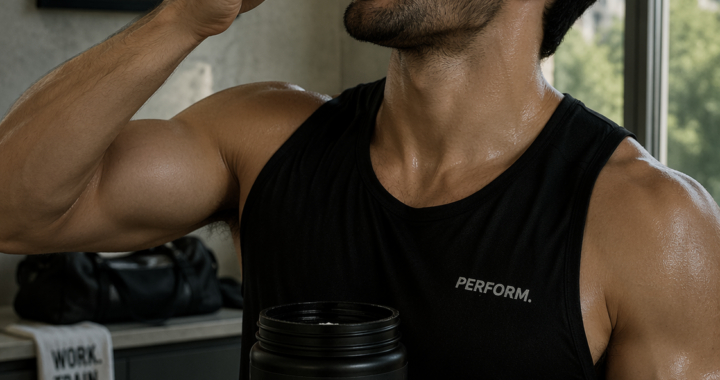
A few summers ago a friend of mine — let’s call her Sam — texted me in a panic. She had started drinking a daily protein shake to support her morning workouts, and three weeks in, the scale was up four pounds. Her question was the same as a lot of people nowadays type into Google to get the straight answer: does protein powder make you gain weight, or is something else going on?
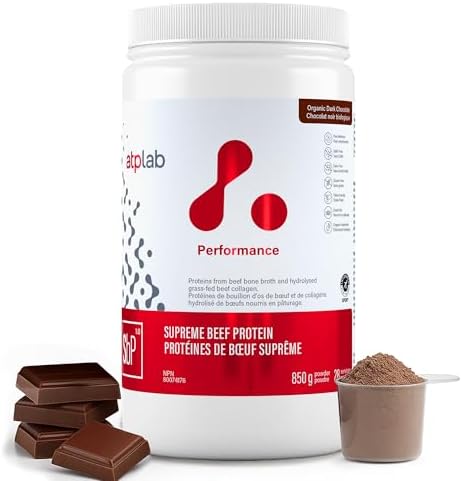

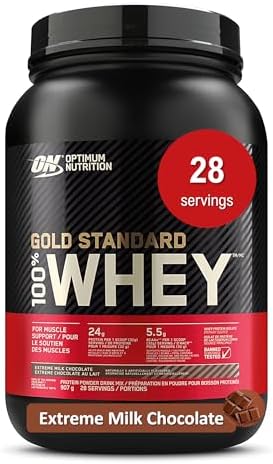
The short answer is yes, but only in very specific circumstances. The long answer is more interesting, and it is the difference between blaming an innocent scoop of whey and understanding how your body actually responds to extra calories. Protein powder is a tool. Used one way, it helps people drop fat and hold onto lean muscle. Used another way, it quietly tacks on hundreds of extra calories per day and shows up on the scale a few weeks later.
This guide walks through the science, the real-world reasons your shake might be working against you, and how to use protein powder for the goal you actually have — whether that is losing weight, building muscle, or just feeling less hungry by mid day.
Does Protein Powder Make You Gain Weight? The Honest Answer
Protein powder, on its own, does not magically cause weight gain. There is no secret ingredient in a tub of whey that adds fat to your hips. Weight gain — fat gain specifically — follows one simple rule: you have to eat more calories than your body burns. That is the law of thermodynamics applied to nutrition, and no supplement gets to break it.
Where things get interesting is how protein powder fits into your overall calorie picture. A typical scoop delivers 100 to 150 calories. If you stir that scoop into water, drink it after a workout, and change nothing else about your diet, you have added 100 to 150 calories to your day. Multiply by 30 days and that is between 3,000 and 4,500 extra calories per month. A pound of body fat is roughly 3,500 calories. The math is uncomfortable but honest.
On the flip side, those same 100 to 150 calories can replace something less satiating — a sugary coffee, a granola bar, a handful of crackers — and end up reducing your total calorie intake because the protein keeps you full longer. According to registered dietitian Lainey Younkin, MS, RD, “You can lose weight, gain weight, or have no changes in your weight once you start adding protein powder. Whether you lose or gain weight has to do with total calorie consumption, not just protein.”
So the real answer to “does protein powder make you gain weight” is: it depends entirely on what else is on your plate. (For a deeper look at how protein fits into your daily nutrition
Five Reasons Your Protein Shake Might Actually Be Adding Pounds
Even though protein itself is not the villain, there are real, common situations where adding a protein powder leads to weight gain. Here are the five commen scenarios.
1. You are drinking your calories on top of normal meals
This is the most common reason by far. Most people add a shake to their existing diet without subtracting anything. If you were already eating enough to maintain your weight, an extra 150-calorie shake pushes you into a daily surplus. Over a few weeks, the scale moves up.
2. Your shake is closer to a milkshake than a protein drink
Mixing whey with water gives you about 110 calories. Mixing the same scoop with whole milk, a banana, peanut butter, and oats can push the total past 600 calories. That is not a shake — it is a small meal. If you are not accounting for the additional calories, this is where weight gain comes from. A 2024 dietitian-led review in Fit&Well flagged “high-calorie smoothies disguised as protein shakes” as one of the top reasons people unintentionally gain weight while “eating healthier.”
3. You are using a mass gainer, not a regular protein powder
Mass gainers are designed to make you gain weight. They typically pack 500 to 1,200 calories per serving, with a heavy dose of carbohydrates and added fats on top of the protein. If your tub says “gainer,” “bulk,” or has a number like 1200 or 2500 in the name, that is exactly what it does. Read the label.
4. You are gaining muscle, not fat
If you are also strength training, the weight on the scale might be lean muscle — which is good news. Muscle is denser than fat, so you can be a smaller size and a higher number simultaneously. According to research summarized by the U.S. National Library of Medicine, resistance training combined with adequate protein intake reliably increases lean mass, especially in beginners during their first year of training. The scale lies in this scenario; a tape measure or progress photo tells the truth.
5. You are bloated, not heavier
Some protein powders, especially those with whey concentrate, lactose, sugar alcohols (sorbitol, maltitol, xylitol), or artificial sweeteners, cause gas and water retention. This shows up as bloat, not actual weight gain. If your stomach feels tight and your clothes feel snug within hours of a shake — but the scale only moves by one or two pounds — you are almost certainly looking at bloating, not fat gain. Switching to a whey isolate or a plant-based protein with simpler ingredients usually clears this up within a week.
How Protein Powder Can Actually Help You Lose Weight
Here is the part that often surprises people: the same scoop that supposedly causes weight gain is one of the most-recommended tools by dietitians for weight loss. The reason comes down to four well-documented effects of protein on the body.
Protein keeps you full longer
Protein is the most satiating macronutrient. It triggers the release of hormones like peptide YY and GLP-1 that signal fullness to your brain, while suppressing ghrelin, the hunger hormone. A high-protein breakfast — say, a shake with 25 to 30 grams of protein — typically reduces hunger and total calorie intake for the rest of the day. Studies published in journals like the American Journal of Clinical Nutrition have repeatedly shown that participants on higher-protein diets eat fewer calories overall without consciously trying to.
Protein burns more calories during digestion
Your body uses energy to digest food, a phenomenon called the thermic effect of food (TEF). Carbohydrates have a TEF of around 5 to 10%, fat is 0 to 3%, and protein clocks in at 20 to 30%. That means for every 100 calories of protein you eat, your body burns 20 to 30 of them just on digestion. Over a day, this adds up to a small but meaningful boost in calories burned at rest.
Protein preserves muscle during a calorie deficit
When you eat fewer calories than you burn, your body loses both fat and lean muscle. Higher protein intake, combined with strength training, dramatically reduces muscle loss during a cut. Holding onto muscle matters because muscle drives your metabolism — the more you have, the more calories you burn even when sitting on the couch. According to the International Society of Sports Nutrition (ISSN), a daily protein intake of 1.2 to 1.6 grams per kilogram of bodyweight (about 0.55 to 0.75 g per pound) is optimal during weight loss. For a 150-pound person, that is roughly 82 to 112 grams of protein per day — a target that is genuinely hard to hit on a calorie deficit without a powder.
Protein replaces less satisfying calories
If a 150-calorie protein shake replaces a 250-calorie afternoon snack of chips or cookies, the net result is fewer calories consumed and more nutritional value. This is how protein powder helps people lose weight in real life — not by burning fat directly, but by elbowing out lower-quality foods that were silently keeping the scale stuck.
How to use protein powder for weight loss specifically
- Choose a low-calorie option: whey isolate (around 100 calories per scoop) over concentrate (around 130 to 150)
- Mix with water or unsweetened almond milk (30 to 40 calories), not whole milk (150 calories)
- Skip add-ins like peanut butter, oats, full-fat yogurt, and bananas unless you are reducing other meals
- Aim for 20 to 30 grams of protein per serving — anything more is wasted, since your body can only use so much at one time
- Use it as a snack replacement, not an additional snack
For more on hitting your protein targets without a calorie blowout, see the Academy of Nutrition and Dietetics guide on protein needs, and the Mayo Clinic’s overview of protein supplements.
How Much Protein Powder Per Day Is Too Much?
This is the second question every newcomer asks, and the answer is more flexible than the supplement industry suggests.
Total protein, not powder, is what matters
Your daily protein target depends on your goals. For general health, the standard recommendation is 0.8 grams per kilogram of bodyweight — roughly 55 grams per day for a 150-pound adult. For active people or those trying to lose weight while preserving muscle, the target jumps to 1.2 to 1.6 g/kg. For serious muscle building, it can climb as high as 2.2 g/kg (about 1 g per pound).
One to two scoops a day is plenty for most people
A single scoop usually delivers 20 to 30 grams of protein. For most adults, one to two scoops per day, combined with a normal diet, covers any protein gap without overdoing it. Three or more scoops daily is generally unnecessary and starts to crowd out whole-food sources like eggs, chicken, fish, Greek yogurt, and legumes that come with vitamins, minerals, and fiber a powder cannot replicate.
What happens if you go overboard?
Excess protein is not stored as muscle — your body cannot stockpile it. Once you exceed your daily needs, the extra protein is either burned for energy or, if you are also in a calorie surplus, stored as fat just like any other macronutrient. Very high protein intakes (above 2.5 g/kg) over long periods may also stress the kidneys in people with pre-existing kidney conditions, though research in healthy adults consistently shows no harm at typical supplement doses.
The Harvard caveat worth knowing
In a widely cited piece, Harvard Health Publishing flagged that some protein powders contain hidden contaminants, added sugars, and undisclosed ingredients — and reminded readers that the FDA does not pre-approve supplements. Third-party testing labels like NSF Certified for Sport or Informed Sport are the easiest way to confirm what is actually in the tub.
Does the Type of Protein Powder Matter for Weight Gain?
The type you choose changes the calorie profile, the digestion speed, and the likelihood of bloating — but none of the common types will magically cause or prevent weight gain by themselves. Here is the practical breakdown.
| Type | Calories/scoop | Best for | Weight gain risk |
| Whey isolate | 100–110 | Cutting, lactose-sensitive | Lowest |
| Whey concentrate | 120–150 | General use, taste | Low |
| Casein | 110–130 | Nighttime, satiety | Low |
| Plant (pea, rice, soy) | 100–130 | Vegan, sensitive stomachs | Low |
| Mass gainer | 500–1,200 | Hardgainers, bulking | High by design |
Whey isolate is the leanest option — most of the lactose and fat has been filtered out, leaving roughly 90% pure protein. It is the easiest pick for anyone trying to lose weight or who gets bloated from regular whey. Whey concentrate tastes better and costs less but has more lactose and slightly more calories per scoop.
Casein digests slowly, which is why some people use it before bed — it drips amino acids into the bloodstream for six to eight hours. It is more filling than whey and a solid choice for late-night hunger.
Plant-based proteins (pea, rice, soy, hemp, or blends) are nearly identical to whey in terms of weight outcomes. A 2015 review in the Journal of the International Society of Sports Nutrition found pea protein produced similar muscle gains to whey when matched for total protein intake. If you are vegan, lactose intolerant, or just prefer plant options, you are not at a disadvantage.
Mass gainers are the only category specifically engineered for weight gain. If gaining weight is not your goal, skip them entirely.
Frequently Asked Questions
Does protein powder make you gain belly fat?
No — protein powder does not specifically target belly fat. Fat storage location is largely determined by genetics, age, hormones, and sex, not by which macronutrient is in surplus. If you eat more calories than you burn, you will gain fat in your usual storage pattern, regardless of whether those calories came from protein, carbs, or fat. If anything, higher-protein diets are linked to less visceral fat (the deep belly fat that surrounds organs), per research published in the journal Nutrition & Metabolism.
Can protein powder make you gain weight without working out?
Yes, but only through extra calories — not through some protein-specific mechanism. If you drink shakes without exercising and stay in a calorie surplus, you will gain weight, almost all of it as fat. If you stay in a calorie balance or deficit, you will not gain weight. Without strength training, your body has no signal to build muscle, so the protein gets used as energy or stored. Protein powder works best alongside resistance training, even light home workouts.
Why am I gaining weight on a high-protein diet?
Three likely reasons. First, you are in a calorie surplus — protein still has 4 calories per gram. Second, you are gaining lean muscle (a good thing) if you are also lifting weights. Third, you are retaining water, which is common in the first one to two weeks of any dietary change. If the gain plateaus after two weeks, it was likely water. If it keeps climbing, audit your calorie intake.
Does protein powder cause bloating?
It can. Whey concentrate contains lactose, which causes bloating in people with even mild lactose sensitivity. Some powders also use sugar alcohols (sorbitol, maltitol, xylitol) that ferment in the gut and produce gas. Artificial sweeteners and gums (like xanthan or guar gum) can also trigger bloating in sensitive guts. Switching to whey isolate, a plant-based blend, or a powder with a shorter ingredient list usually solves it within a week or two.
How long does it take to see results from protein powder?
If you are using it for fat loss, you may feel less hungry within the first few days and notice scale changes in two to four weeks — provided you are also in a calorie deficit. For muscle building, visible changes typically take six to twelve weeks of consistent strength training combined with adequate total protein intake. Protein powder accelerates results, but it does not replace consistency, sleep, and sensible total calorie intake.
The Bottom Line: Does Protein Powder Make You Gain Weight?
Protein powder does not make you gain weight on its own. It is a concentrated source of calories and protein, and what happens next depends entirely on the rest of your diet, your activity level, and which type you choose. Used wisely — replacing snacks, mixed with water, paired with strength training — it is one of the most effective tools for losing fat while keeping muscle. Used carelessly, it quietly adds calories you did not account for.